16 Sanskars
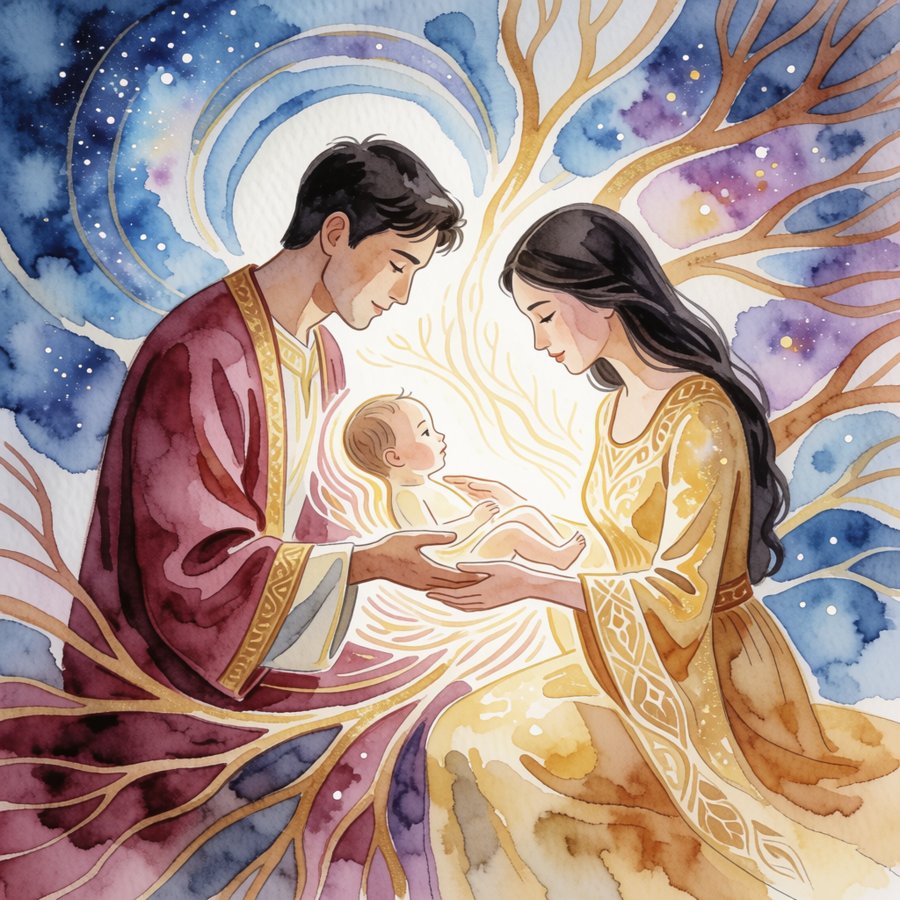
The sixteen sacred rites of a life, from conception to marriage.
Conception Muhurat: The Garbhadhana Sanskara
Garbhadhana is the first of the 16 Sanskaras: the conception of a child. The Raj Jyotish traditionally timed it so that a soul would be invited with calm, deliberate timing. For centuries this timing was open only to royal and very wealthy families. Tarini has studied how the Raj Jyotish made these calculations and now offers them to you. What you get: the best dates for conceiving a baby, personalised to the mother and assessed across 3 months. You can plan conception around the auspicious dates and your own fertility window. What we need: the mother's date, time and place of birth, and your city.
3rd Month Pregnancy Blessing: The Punsavana Sanskara
The first months of a pregnancy are delicate. You want the baby and the mother protected, and you want to keep the rite your family has always kept. It is care for a child you have not met yet. The classical texts on muhurta shastra place this blessing in the third month, and they ask for a good day and hour inside it. The month does not come round again, so the choice matters. We read those rules for the city where you live, so the day fits your sky and your clock. What you get: the good windows in your third month, for your city, on your local clock, ranked. The days to avoid, each with its reason. The verse behind every window. What we need: the mother's birth date, time and place, your city, and the dates of your third month.
Godh Bharai: The Simantonnayana Sanskara
Godh bharai is the family wrapping the mother-to-be in love. There are bangles, sweets and blessings. Under the joy there is a quiet fear about the birth, and a wish for a safe delivery and a calm, happy mother. The classical texts on muhurta shastra time this rite for exactly that wish. We give you a day with a reason behind it, read for the city where the godh bharai happens. What you get: Auspicious windows for the godh bharai inside your dates, for your city. The top 3 most auspicious ones highlighted. The days to avoid tagged along with the reasons. And, the classical text reference behind each recommendation. What we need: the mother's birth date, time and place, your city, and the range of dates you are considering.
Newborn: The Jatakarma Sanskara
The baby has arrived, and the house is full of joy and gratitude. You want to bless the child with health and a long life. And because this is the first rite of that life, you want it done properly. The classical texts on muhurta shastra place the Jatakarma soon after birth, with a short span allowed when it cannot be done at once. Inside that span, the day and hour still matter. We read those rules for the city where the rite takes place. What you get: Auspicious windows for the Jatakarma inside the permitted span, for your city. The top 3 most auspicious ones highlighted. The days to avoid tagged along with the reasons. And, the classical text reference behind each recommendation. What we need: the child's birth date, time and place, and your city.
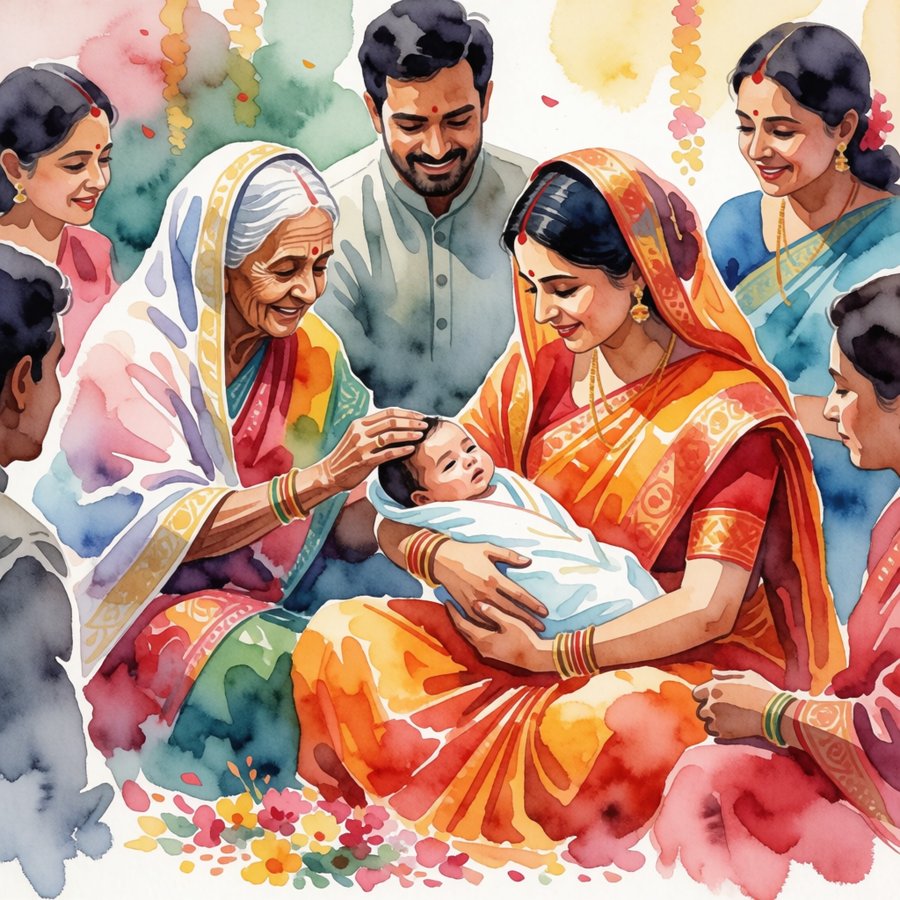
The Namkaran Sanskara: Naming Ceremony
A name is a child's first gift. You want it to bring good fortune and give the child a clear identity. The classical texts on muhurta shastra give the naming its own day and hour. We read those rules for the city where the naming happens. What you get: Auspicious windows for the ceremony for your city. The top 3 most auspicious ones highlighted. The days to avoid tagged along with the reasons. And, the classical text reference behind each recommendation. What we need: the child's birth date, time and place and your city.
Baby's First Outing: The Nishkramana Sanskara
The first time the baby goes outside is a happy milestone. It also makes parents protective. You want the baby to meet the world safely, with the sun's blessing. The classical texts on muhurta shastra time this first outing, often to see the sun or visit a temple. They ask for a daylight hour on a good day. We read those rules for your city, so the sunrise and the hours are your own. What you get: Auspicious windows for the first outing in daylight, for your city. The top 3 most auspicious ones highlighted. The days to avoid tagged along with the reasons. And, the classical text reference behind each recommendation. What we need: the child's birth date, time and place, and your city.
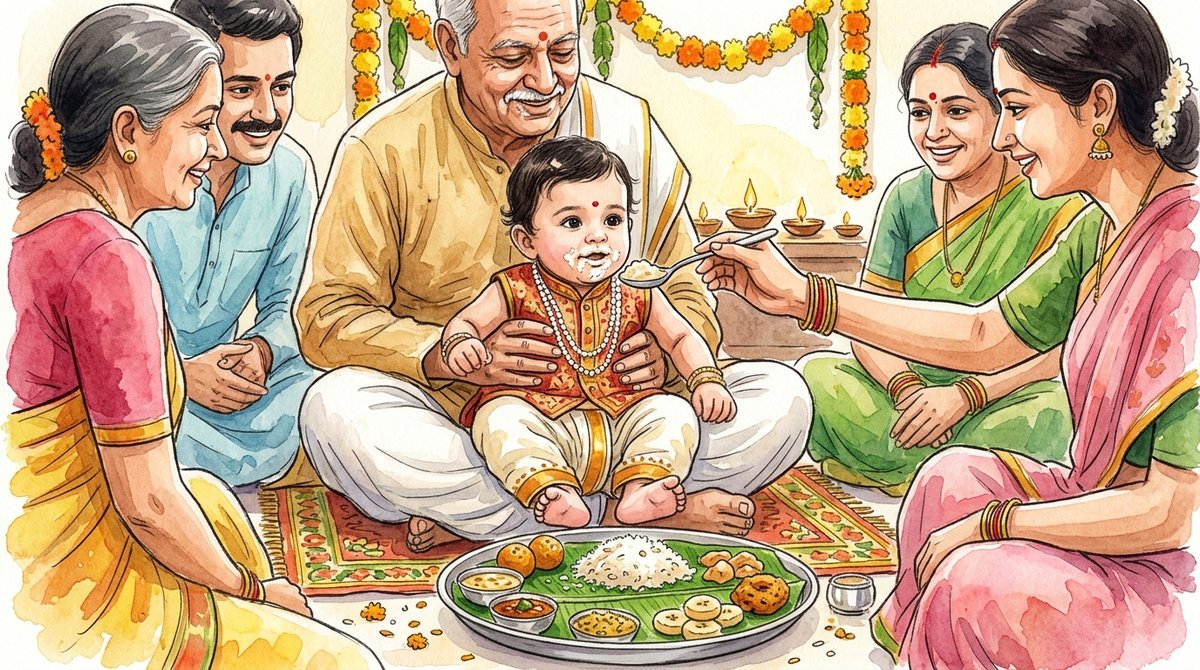
The Annaprashan Sanskara: First Food
The first taste of cooked food is a joyful milestone. The family wishes the child good health, good digestion and a life that never lacks food. Grandparents want it done properly. The classical texts on muhurta shastra give this first meal its own month and hour. They ask for a good day and a daylight hour. We read those rules for the city where the ceremony happens. What you get: Auspicious windows for the Annaprashan for your city. The top 3 most auspicious ones highlighted. The days to avoid tagged along with the reasons. And, the classical text reference behind each recommendation. What we need: the child's birth date, time and place, and your city.
The Mundan Sanskara: First Haircut
The mundan is a family tradition, often kept at the family temple. You want the child to grow up healthy and strong. Tradition also holds that the first hair carries impurities from past lives, and the mundan clears them. The classical texts on muhurta shastra are firm about which days suit a first haircut. A good day lets the whole family plan around it. We read those rules for the city where the mundan happens, so a temple rite in India is timed on that town. What you get: Auspicious windows for the mundan for the city of the rite. The top 3 most auspicious ones highlighted. The days to avoid tagged along with the reasons. And, the classical text reference behind each recommendation. What we need: the child's birth date, time and place, and the city where the mundan happens (not where you live).
Ear Piercing: The Karnavedha Sanskara
Every parent winces at the thought of the needle. You want the child protected and healthy, and you hope for little pain and quick healing. It is also a tradition the family wants to keep. The classical texts on muhurta shastra set this rite on a good day, in daylight. Picking the day by those rules is one worry you can put down. We read them for the city where the piercing happens. What you get: Auspicious windows for the ear piercing in daylight, for your city. The top 3 most auspicious ones highlighted. The days to avoid tagged along with the reasons. And, the classical text reference behind each recommendation. What we need: the child's birth date, time and place, and your city.
The Upanayana Sanskara: Thread Ceremony
The thread ceremony is a proud day for parents and grandparents. You want the child to learn well, take an interest in studies and grow into a disciplined, good life. And you are passing on something the family has carried for generations. The classical texts on muhurta shastra time this rite closely, and few days in a year qualify. A good day starts the child's learning on the right note. We read those rules for the city where the ceremony happens. What you get: Auspicious windows for the Upanayana inside your dates, for your city. The top 3 most auspicious ones highlighted. The days to avoid tagged along with the reasons. And, the classical text reference behind each recommendation. What we need: the child's birth date, time and place, your city, and the range of dates the family can work with.
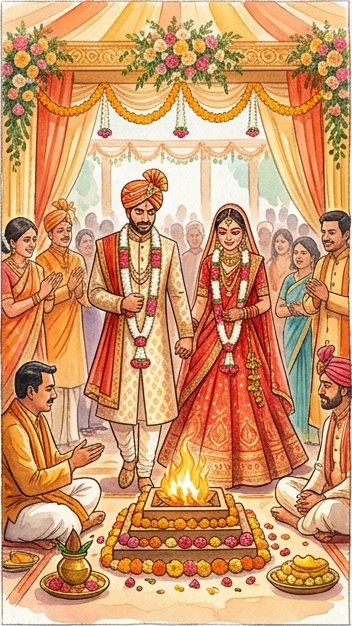
Wedding Muhurat: Vivah
You want a happy, lasting marriage for your child, and harmony between the couple and both families. Parents want to do right by their children. No one wants married life to start on a bad day. The classical texts on muhurta shastra hold the wedding to the closest rules of any rite. The day must suit the bride and the groom, each on their own. We read both of them against the sky over the city where the phere happen. What you get: Auspicious windows for the wedding for the city of the phere. Each is checked for the bride and the groom. The top 3 most auspicious ones highlighted. The days to avoid tagged along with the reasons. And, the classical text reference behind each recommendation. What we need: the birth date, time and place of the bride and of the groom, and the city of the phere.