Find your shubh muhurat
Tell us your occasion and your birth details — we'll give you the date and time that suit you, matched to your own kundali, with the reasoning included in plain language. Wedding, griha pravesh, naming ceremonies, new businesses, vehicle purchases, travel and every other milestone — all worked out for you, not read off a generic calendar. Choose your occasion below to see exactly what you receive and what it costs.
Browse by occasion
 WeddingBetrothal, marriage, and the rites that follow the bride home.5 muhurats
 BabyConception through the childhood sanskaras — naming, first solids, first haircut.11 muhurats
 PropertyGround-breaking, construction, house warming, and buying or selling property.4 muhuratsCommercialTrade, buying and selling, lending, and opening a place of business.4 muhuratsCareerJoining service, assuming office, promotion, and taking up a craft as a livelihood.3 muhuratsTravelJourneys by direction, relocation, and pilgrimage departure.2 muhurats
 ReligiousVows, consecration, homa, initiation, donation, and planetary pacification.18 muhuratsAgricultureSowing, ploughing, harvest, grain storage, and livestock.4 muhuratsHealthBeginning treatment, surgery, and the bath marking recovery.2 muhurats
 EducationBeginning study, and first learning of an art or a craft.1 muhuratLegalFiling suit and pursuing recovery of a debt.2 muhuratsDaily RoutineEveryday acts — bathing, shaving, dressing, oiling the hair.1 muhuratSubscriptions1 muhurat
Wedding (5)
Vivaha (Wedding)
Fixing the wedding date is the one decision the whole family remembers. You get a ranked shortlist of dated, timed windows judged against both the bride's and the groom's charts, with the days to avoid marked clearly — so you can hold the venue and the priest without second-guessing, and answer confidently when relatives ask who worked it out.

Var Nishchaya (Engagement)
The sagai or roka, timed properly. You get dated windows that work for both families' charts and both families' calendars — usually inside the month you are already planning around, not months away.
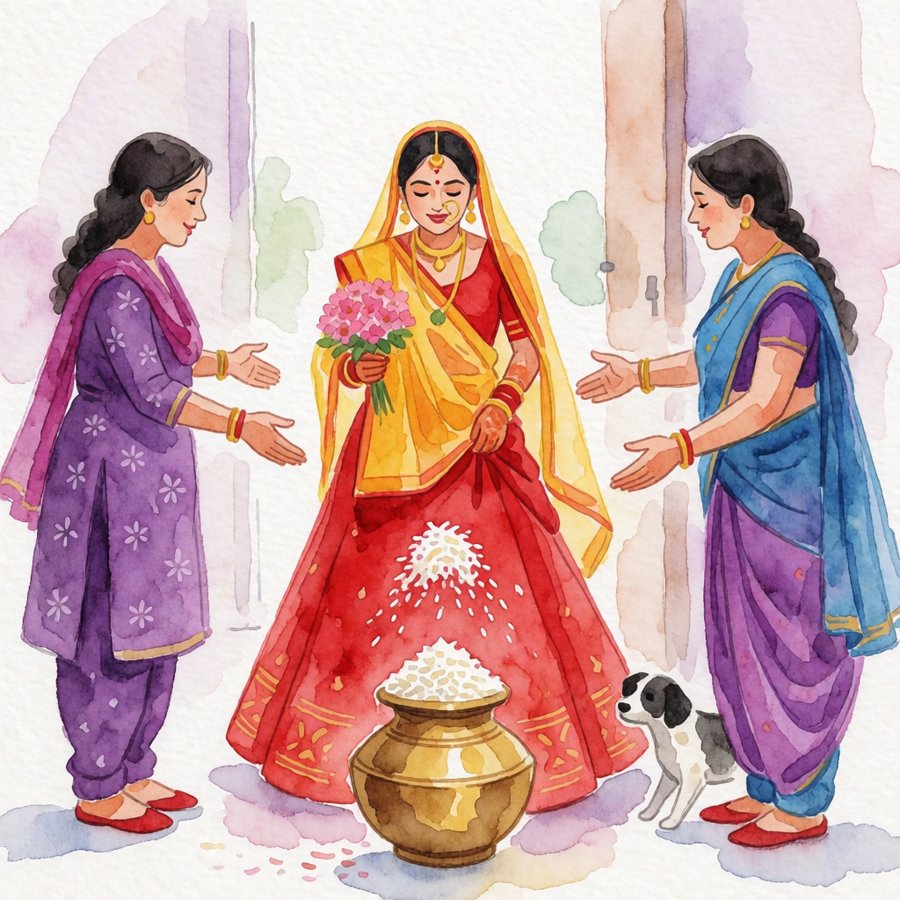
Vadhu Pravesha (Bride's First Entry)
The bride's first step into her new home has its own muhurat. It is not the wedding's and it is not a house warming's — you get the windows for the day she arrives, so the welcome is not rushed into whatever hour the cars happen to reach.
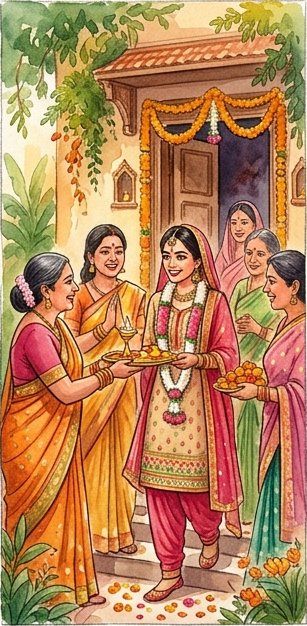
Dwiragamana (Pag Phera Return)
The bride's return after pag phera, timed on its own reckoning rather than whichever day is convenient. You get the windows for both the journey back and the arrival.
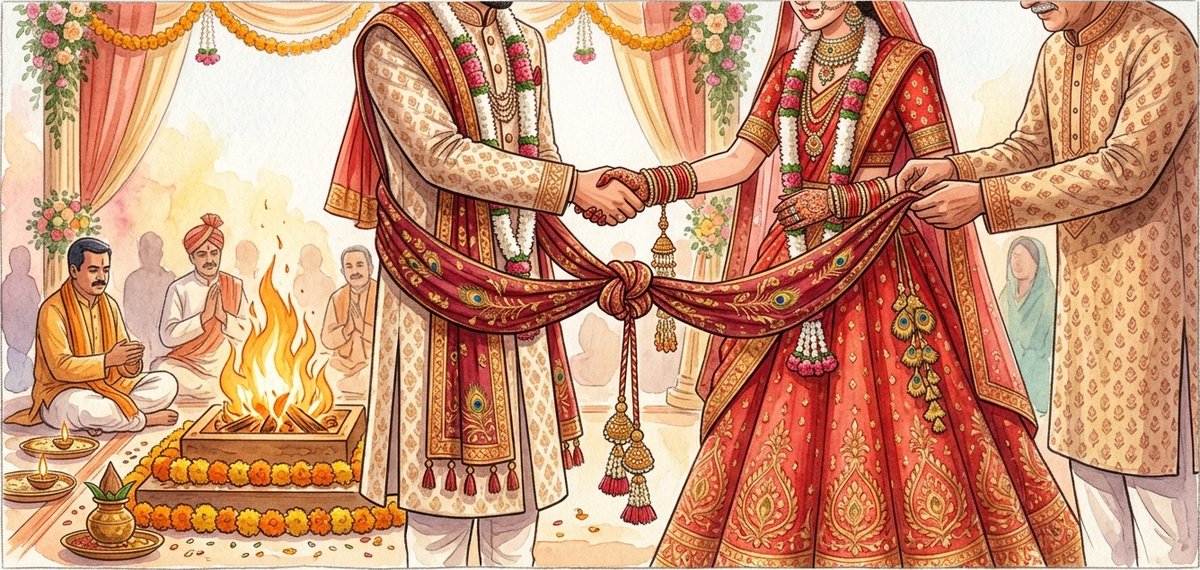
Complete Wedding
Every muhurat the wedding needs — the engagement, the wedding itself, the bride's first entry, and her return after pag phera. Settled as one sequence so the dates work with each other instead of against each other, at 33% less than buying the four separately.
Baby (11)

Garbhadhana (Conception)
The first of the sixteen sanskaras, and the one couples most often ask about quietly. You get considered windows weighed against both charts and the season — handled privately, and without any promise we cannot keep.
Punsavana (Third-Month Rite)
The third-month rite, for the healthy growth of the child. You get the dated windows for the ceremony and the days tradition asks you to leave alone.
Simantonnayana (Godh Bharai)
The godh bharai, in the fourth, sixth or eighth month. You get windows that satisfy the tradition and the fact that thirty relatives need a date they can actually travel for.
Jatakarma (Birth Rite)
The rite performed in the first hours after birth. You get the window as soon as the birth time is known — so nobody is looking this up in a hospital corridor.

Namakarana (Naming Ceremony)
The naming ceremony, with the auspicious syllable drawn from your baby's own nakshatra. You get both halves: the sound the name should start with, and the dated windows for announcing it.
Nishkramana (First Outing)
Your baby's first trip out of the house, traditionally in the fourth month. A short, careful set of windows, with the days to skip.
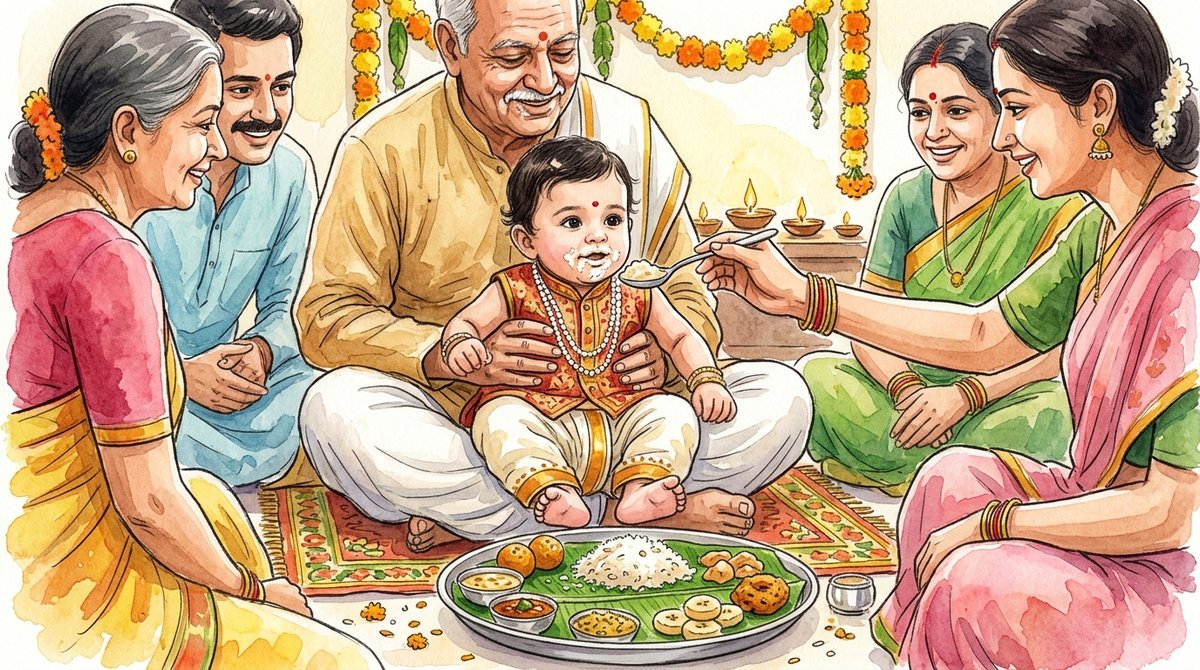
Annaprashana (First Solids)
The first grain your child ever eats, and one of the most photographed mornings of the first year. You get dated windows timed to the child's chart rather than to the nearest free weekend.
Mundana (First Haircut)
The mundan, timed to your child's chart and not only to the temple's calendar. The windows work whether you are going to a shrine or doing it at home.
Karnavedha (Ear Piercing)
The ear-piercing rite, traditionally set in the first years. You get the auspicious windows and the days tradition sets aside.
First Year
The four rites of your baby's first year: the birth rite, the naming, the first outing and the first solids. 33% less than one at a time, and redeemed as each falls due across two years.
Childhood Milestones
The mundan, the ear piercing, the first letters and the sacred thread — the milestones between roughly three and twelve. One decision now, redeemable for ten years, at 33% less than separately.
Property (4)
Griha Pravesha (House Warming)
The day you properly enter your new home. You get a ranked set of dated, timed windows checked against your chart and against every standard prohibition — sankranti, eclipse, panchak, adhika masa — so the date holds up when the family asks how it was chosen.
Griha Chhadana (Roof Laying)
Chhat dhalai — the day the structure is finally closed over. You get the auspicious windows, which matters when the concrete has to be booked days ahead.
Griha Kraya (Property Purchase)
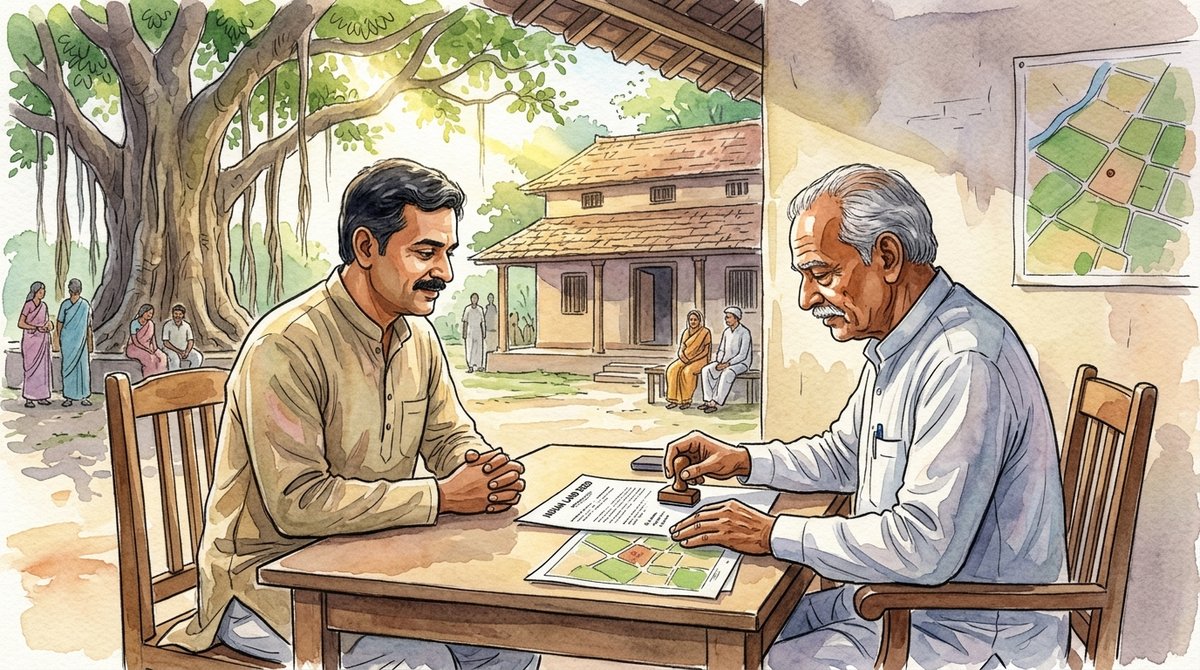
Registry day is the largest cheque most families ever write. You get windows timed to your chart rather than to the builder's convenience — including the dates worth refusing.
New Home
Registry, ground breaking, roof laying and house warming — the whole arc from signing for it to sleeping in it. At 45% off the four separately, this is the best value in the catalogue.
Commercial (4)
New Business Launch
What is a Shop Opening Muhurat? Vipani Pratishtha, commonly known as the Dukan Muhurat, is the most auspicious (shubh) time to officially launch your new business. It gives you the exact date and time to pull up your shutters, do your first puja at the gaddi (counter), and make your very first sale. Instead of guessing or running to a pandit, this service gives you a clear, ready-to-use schedule of dates and times. Why Do You Need It? Think of starting a business like swimming in the ocean. If you open at the wrong time—like a random Tuesday afternoon—you might not get the customer footfall or the momentum you need, even if your shop is beautifully set up. This is like swimming against the tide, and your chances of success go down. But when you open your business during a shubh muhurat, you are swimming with the tide. You get a natural push from the universe, bringing good energy and momentum to your business right from day one. Who is This For? This is for anyone starting a physical commercial venture. It includes: Retail shops, showrooms, and boutiquesCorporate offices and agency workspaces Professional setups like a CA's firm, a lawyer's practice, or a clinic Workshops and factoriesWhen Should You Buy This? You should order this when your shop or office is completely set up and ready to launch. Buy this when the interior work is done, your stock is ready, and you just need the perfect date to open your doors in the coming weeks. What Exactly Do You Receive? You get a simple, practical schedule so you can easily book your pandit, staff, and decorators for the right time. Ranked Time Windows: Clear dates and times to launch. We pick practical morning hours so you, your family, and your customers can actually be there.100% Personalized: The muhurat is calculated using the main owner's exact birth chart, not just a general daily Panchang.Times to Avoid: We clearly mark the bad days and times you should strictly avoid. City-Specific Accuracy: The timing is calculated perfectly for the city where your shop is located. What Tarini Needs From You To calculate your perfect muhurat, we will ask for a few simple details during checkout: Your Birth Details: The exact date, time, and city of birth of the main business owner. (The muhurat is made for the primary owner). Shop Location: The city where your new business is opening, because astrological timings change based on the exact location. Your Planned Month: The rough timeframe (like "next month") when you want to open, so we can find the best dates during that period.
Kraya (Making a Purchase)
For a purchase that matters — gold, stock, equipment. A quick set of windows, worth it whenever you can move the date by a day or two.
Vikraya (Making a Sale)
For closing a sale or releasing stock on a favourable moment. Quick, and priced to use as often as you trade.
New Business
Shop opening, taking charge, the commercial vehicle, and your first significant purchase and sale. Five muhurats at 38% less than separately, valid two years while you get set up.
Career (3)
Abhisheka (Taking Charge)
The day you take charge — a promotion, a new office, a formal appointment. Traditionally the muhurat of coronation, and judged with the same seriousness.
Seva Arambha (Joining a New Job)
Your first day at a new job. Where the joining date is yours to pick, you get the windows worth asking HR to hold.
Shilpa Vidya Arambha (Starting a Trade)
The first day of the work that will feed you — taking up a craft, a trade or a skill as your livelihood.
Travel (2)

Yatra (Journey)
A departure window judged by the direction you are heading. Quick and inexpensive — worth checking before any long or consequential journey.

Vahana Kraya (Vehicle Purchase)
The day the car or the two-wheeler first comes home. You get the delivery windows worth asking the showroom to hold for you.
Religious (18)
Deva Pratishtha (Idol Installation)
Consecrating an idol or a shrine, at home or in a temple. The most demanding of the installation muhurats, and the one where the date is least negotiable once it is fixed.
Graha Shanti (Planetary Remedies)
When a planetary period is weighing on you, the remedy has its own timing. You get the window in which it should be performed — we will not tell you what to fear, only when to act.
Diksha (Initiation)
Receiving initiation from a guru, timed against your own chart rather than the ashram's diary.
Homa (Havan)
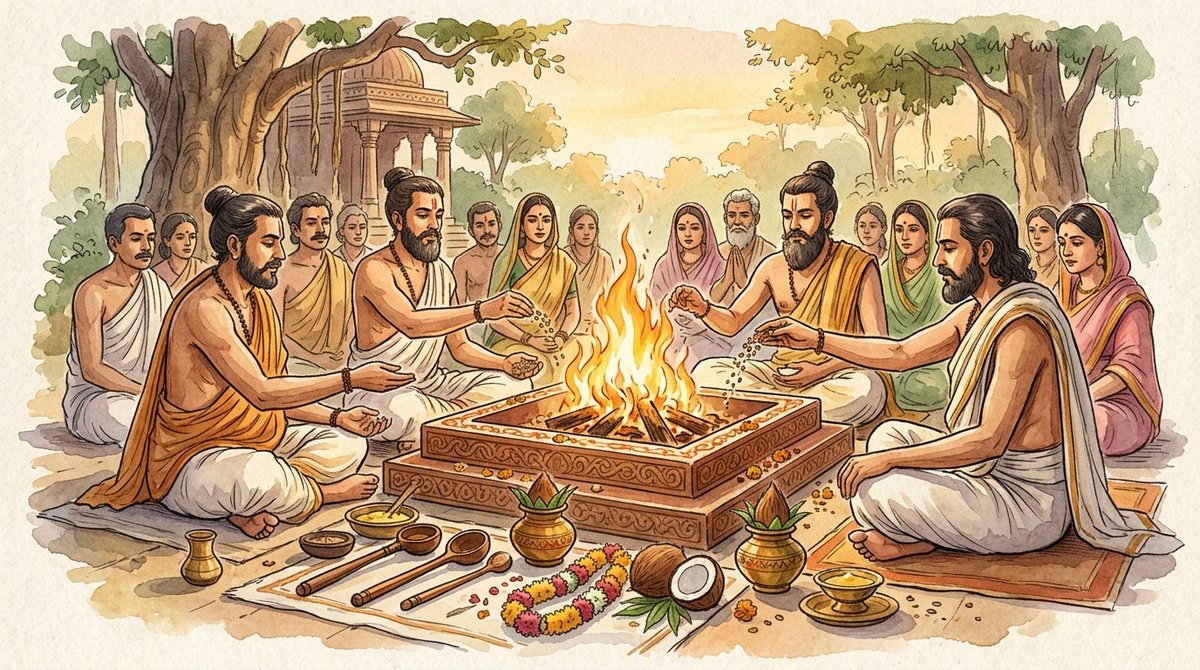
A havan at home or at the temple. You get the dated windows and the hours to avoid.
Vrata Arambha (Starting a Vow)
Beginning a vrat or a fast — and the day it is properly concluded. You get both, because the ending is timed too.
Mahadana (Major Donation)
A significant act of giving — land, gold, or an endowment. You get the windows tradition marks out for it.
Pitra Daan - Amavasya (Ek Baar)
Amavasya ka din purvajon ke naam par daan karne ke liye sabse shubh mana gaya hai. Is din aap apne pitra ke naam par anna aur bhojan ka daan kar sakte hain - ek baar, agli Amavasya ko. Daan aapke naam, gotra aur sthaan ke sankalp ke saath hota hai. Temple ke pandit ji sahi muhurat mein sankalp lekar daan karte hain. Aap 101 se lekar 10001 tak koi bhi rashi chun sakte hain. Jo rashi aap dete hain, usi ke hisaab se mandir mein anna aur saamagri di jaati hai. Paisa daan ki tarikh se 5 din pehle kata jaata hai, taki mandir samay rahte saamagri kharid sake. Daan hone ke baad mandir se tasveer aur sankalp ka vivaran bheja jaata hai.
Pitra Daan - Har Amavasya, Saal Bhar
Kai parivaar har Amavasya ko apne purvajon ko yaad karte hain. Yeh vikalp saal bhar ke liye hai - lagaataar 12 Amavasya, har baar aapke pitra ke naam par daan. Daan aapke naam, gotra aur sthaan ke sankalp ke saath hota hai. Temple ke pandit ji sahi muhurat mein sankalp lekar daan karte hain. Har Amavasya ka sahi din aapke chune hue mandir ke sooryoday ke hisaab se nikala jaata hai, isliye tarikh bilkul sahi hoti hai. Har baar ke liye aap wahi rashi chunte hain - 101 se 10001 tak. Paisa daan ki tarikh se 5 din pehle kata jaata hai, taki mandir samay rahte saamagri kharid sake. Daan hone ke baad mandir se tasveer aur sankalp ka vivaran bheja jaata hai.
Amavasya aur Purnima Daan - Saal Bhar
Amavasya aur Purnima - mahine ke do sabse shubh din. Yeh vikalp saal bhar ke liye hai, dono tithiyon par daan, kul 24 baar. Daan aapke naam, gotra aur sthaan ke sankalp ke saath hota hai. Temple ke pandit ji sahi muhurat mein sankalp lekar daan karte hain. Do alag jagah ke mandir ek hi Amavasya ko alag din maan sakte hain, kyunki sooryoday ka samay alag hota hai. Hum wahi din lete hain jo aapke chune hue mandir par sahi ho. Paisa daan ki tarikh se 5 din pehle kata jaata hai, taki mandir samay rahte saamagri kharid sake. Daan hone ke baad mandir se tasveer aur sankalp ka vivaran bheja jaata hai.
Surya Daan - Ravivar
Suryadev ke liye parampara mein Godhuma (gehun) aur Gud ka daan bataya gaya hai, aur iska din Ravivar hai. Aap tay karte hain kitna daan karna hai - kilo ya gram mein. Us wazan ke hisaab se mandir ke aaj ke bhaav par rashi ban jaati hai, isliye aapko pata rehta hai ki aapka paisa kis cheez par, kitna laga. Daan aapke naam, gotra aur sthaan ke sankalp ke saath hota hai. Temple ke pandit ji sahi muhurat mein sankalp lekar daan karte hain. Paisa daan ki tarikh se 5 din pehle kata jaata hai, taki mandir samay rahte saamagri kharid sake. Daan hone ke baad mandir se tasveer aur sankalp ka vivaran bheja jaata hai.
Chandra Daan - Somvar
Chandradev ke liye parampara mein Tandula (chawal) aur Ghee ka daan bataya gaya hai, aur iska din Somvar hai. Aap tay karte hain kitna daan karna hai - kilo ya gram mein. Us wazan ke hisaab se mandir ke aaj ke bhaav par rashi ban jaati hai, isliye aapko pata rehta hai ki aapka paisa kis cheez par, kitna laga. Daan aapke naam, gotra aur sthaan ke sankalp ke saath hota hai. Temple ke pandit ji sahi muhurat mein sankalp lekar daan karte hain. Paisa daan ki tarikh se 5 din pehle kata jaata hai, taki mandir samay rahte saamagri kharid sake. Daan hone ke baad mandir se tasveer aur sankalp ka vivaran bheja jaata hai.
Mangal Daan - Mangalvar
Mangal ke liye parampara mein Gehun, Masoor aur Gud ka daan bataya gaya hai, aur iska din Mangalvar hai. Aap tay karte hain kitna daan karna hai - kilo ya gram mein. Us wazan ke hisaab se mandir ke aaj ke bhaav par rashi ban jaati hai, isliye aapko pata rehta hai ki aapka paisa kis cheez par, kitna laga. Daan aapke naam, gotra aur sthaan ke sankalp ke saath hota hai. Temple ke pandit ji sahi muhurat mein sankalp lekar daan karte hain. Paisa daan ki tarikh se 5 din pehle kata jaata hai, taki mandir samay rahte saamagri kharid sake. Daan hone ke baad mandir se tasveer aur sankalp ka vivaran bheja jaata hai.
Budh Daan - Budhvar
Budh ke liye parampara mein Mudga (moong) aur Ghee ka daan bataya gaya hai, aur iska din Budhvar hai. Aap tay karte hain kitna daan karna hai - kilo ya gram mein. Us wazan ke hisaab se mandir ke aaj ke bhaav par rashi ban jaati hai, isliye aapko pata rehta hai ki aapka paisa kis cheez par, kitna laga. Daan aapke naam, gotra aur sthaan ke sankalp ke saath hota hai. Temple ke pandit ji sahi muhurat mein sankalp lekar daan karte hain. Paisa daan ki tarikh se 5 din pehle kata jaata hai, taki mandir samay rahte saamagri kharid sake. Daan hone ke baad mandir se tasveer aur sankalp ka vivaran bheja jaata hai.
Guru Daan - Guruvar
Guru (Brihaspati) ke liye parampara mein Shakkar, Haldi, Peela Anna aur Namak ka daan bataya gaya hai, aur iska din Guruvar hai. Aap tay karte hain kitna daan karna hai - kilo ya gram mein. Us wazan ke hisaab se mandir ke aaj ke bhaav par rashi ban jaati hai, isliye aapko pata rehta hai ki aapka paisa kis cheez par, kitna laga. Daan aapke naam, gotra aur sthaan ke sankalp ke saath hota hai. Temple ke pandit ji sahi muhurat mein sankalp lekar daan karte hain. Paisa daan ki tarikh se 5 din pehle kata jaata hai, taki mandir samay rahte saamagri kharid sake. Daan hone ke baad mandir se tasveer aur sankalp ka vivaran bheja jaata hai.
Shukra Daan - Shukravar
Shukra ke liye parampara mein Tandula (chawal) ka daan bataya gaya hai, aur iska din Shukravar hai. Aap tay karte hain kitna daan karna hai - kilo ya gram mein. Us wazan ke hisaab se mandir ke aaj ke bhaav par rashi ban jaati hai, isliye aapko pata rehta hai ki aapka paisa kis cheez par, kitna laga. Daan aapke naam, gotra aur sthaan ke sankalp ke saath hota hai. Temple ke pandit ji sahi muhurat mein sankalp lekar daan karte hain. Paisa daan ki tarikh se 5 din pehle kata jaata hai, taki mandir samay rahte saamagri kharid sake. Daan hone ke baad mandir se tasveer aur sankalp ka vivaran bheja jaata hai.
Shani Daan - Shanivar
Shanidev ke liye parampara mein Urad, Til, Tel aur Kulthi ka daan bataya gaya hai, aur iska din Shanivar hai. Aap tay karte hain kitna daan karna hai - kilo ya gram mein. Us wazan ke hisaab se mandir ke aaj ke bhaav par rashi ban jaati hai, isliye aapko pata rehta hai ki aapka paisa kis cheez par, kitna laga. Daan aapke naam, gotra aur sthaan ke sankalp ke saath hota hai. Temple ke pandit ji sahi muhurat mein sankalp lekar daan karte hain. Paisa daan ki tarikh se 5 din pehle kata jaata hai, taki mandir samay rahte saamagri kharid sake. Daan hone ke baad mandir se tasveer aur sankalp ka vivaran bheja jaata hai.
Rahu Daan - Shanivar
Rahu ke liye parampara mein Til aur Tel ka daan bataya gaya hai, aur iska din Shanivar hai. Rahu aur Ketu ka apna koi vaar nahi hota, isliye inka daan Shanivar ko kiya jaata hai. Aap tay karte hain kitna daan karna hai - kilo ya gram mein. Us wazan ke hisaab se mandir ke aaj ke bhaav par rashi ban jaati hai, isliye aapko pata rehta hai ki aapka paisa kis cheez par, kitna laga. Daan aapke naam, gotra aur sthaan ke sankalp ke saath hota hai. Temple ke pandit ji sahi muhurat mein sankalp lekar daan karte hain. Paisa daan ki tarikh se 5 din pehle kata jaata hai, taki mandir samay rahte saamagri kharid sake. Daan hone ke baad mandir se tasveer aur sankalp ka vivaran bheja jaata hai.
Ketu Daan - Shanivar
Ketu ke liye parampara mein Til aur Tel ka daan bataya gaya hai, aur iska din Shanivar hai. Rahu aur Ketu ka apna koi vaar nahi hota, isliye inka daan Shanivar ko kiya jaata hai. Aap tay karte hain kitna daan karna hai - kilo ya gram mein. Us wazan ke hisaab se mandir ke aaj ke bhaav par rashi ban jaati hai, isliye aapko pata rehta hai ki aapka paisa kis cheez par, kitna laga. Daan aapke naam, gotra aur sthaan ke sankalp ke saath hota hai. Temple ke pandit ji sahi muhurat mein sankalp lekar daan karte hain. Paisa daan ki tarikh se 5 din pehle kata jaata hai, taki mandir samay rahte saamagri kharid sake. Daan hone ke baad mandir se tasveer aur sankalp ka vivaran bheja jaata hai.
Agriculture (4)
Beeja Vapana (Sowing)
The sowing window for the season, by crop and by field. Priced so it is worth checking every season rather than once in a lifetime.
Fasal Katai (Harvest)
For beginning the harvest and bringing the grain in.
Pashu Kraya (Cattle Purchase)
For buying cattle — the day the animal first comes to you.
Pashu Shala Pravesha (New Cattle Shed)
For bringing livestock into a newly built shed for the first time.
Health (2)
Shastra Karma (Surgery)
Where surgery is planned and the date is negotiable, the timing is worth weighing. You get the windows and the days to avoid — to discuss alongside your doctor, never instead of them.
Chikitsa Arambha (Starting Treatment)
Beginning a course of treatment — the first dose, the first sitting. Windows to start on, alongside your doctor's advice and never in place of it.