Puja & Spiritual
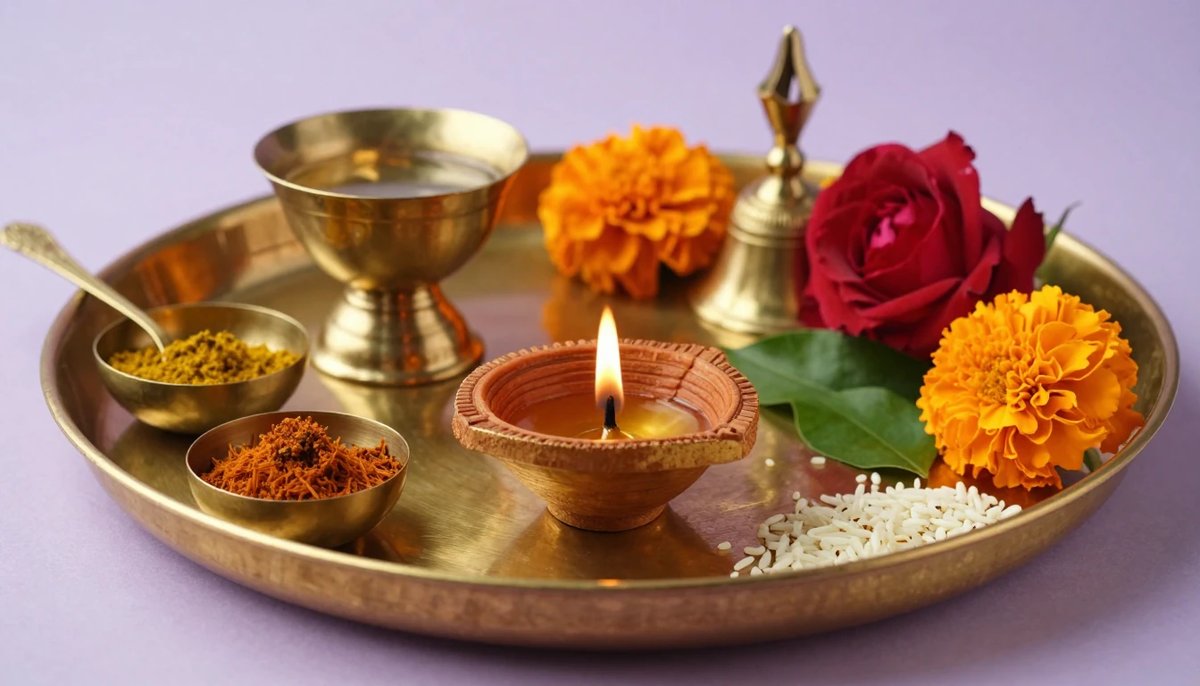
Idol installation, graha shanti, havan, vows, diksha, shraddha.
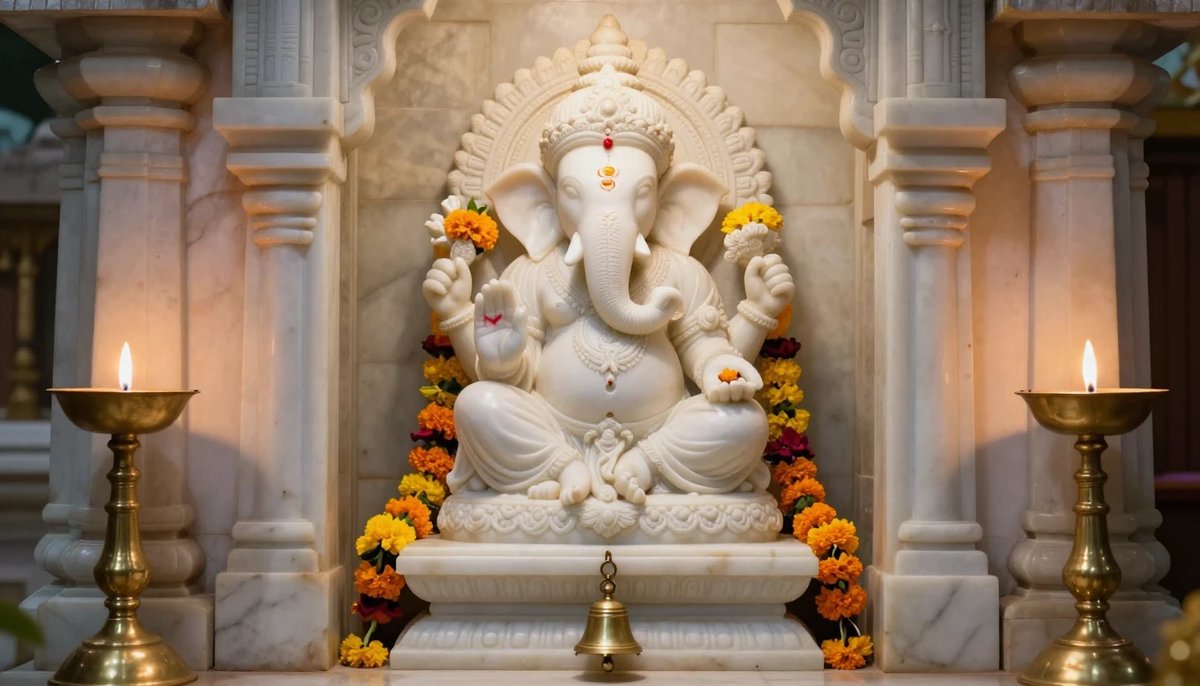
Murti Sthapana: Idol Installation
When you install a murti, you want the deity's presence to settle in it. You want blessings for the home or the temple, for years to come. It is a lifelong promise, made in devotion. The classical texts on muhurta shastra are stricter about this rite than about most others at home. That care is exactly what a family wants when it will not be repeated. We read those rules for the place where the murti will sit, on that place's own sunrise. What you get: Auspicious windows for the installation, for the place where the murti will sit, each with a start and end time. The top 3 most auspicious ones highlighted. The months and days to avoid tagged along with the reasons. And, the classical text reference behind each recommendation. What we need: the birth date, time and place of each yajamana (host), the place of installation, and the months you are working within.
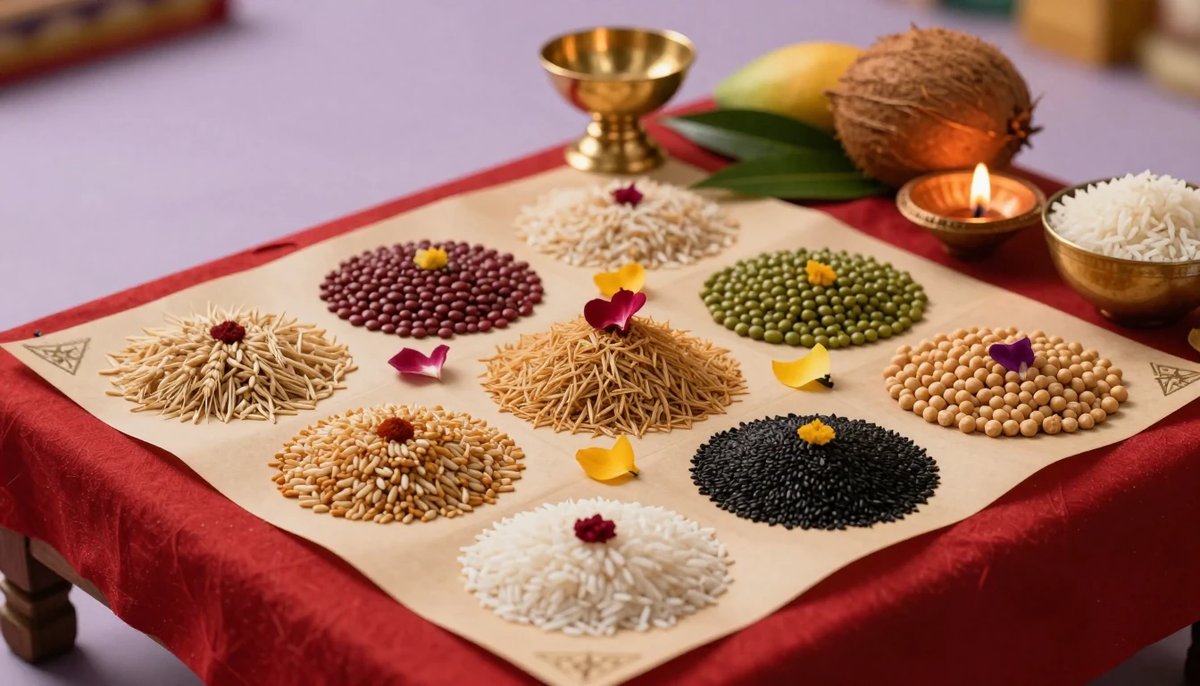
Graha Shanti Muhurat
A family holds a graha shanti to calm a troubled planet and ease the way ahead. It is a way to act, not wait. The classical texts on muhurta shastra give each graha its own day and hour for its shanti. We read them for the city where the rite is held. We time the rite. We do not promise what follows; that rests with your faith and your pandit. What you get: Auspicious windows for the shanti for your city, each with a date and a start and end time. The top 3 most auspicious ones highlighted. The days to avoid tagged along with the reasons. And, the classical text reference behind each recommendation. What we need: the birth date, time and place of each person the shanti is for, which graha it is for, and the city of the rite.
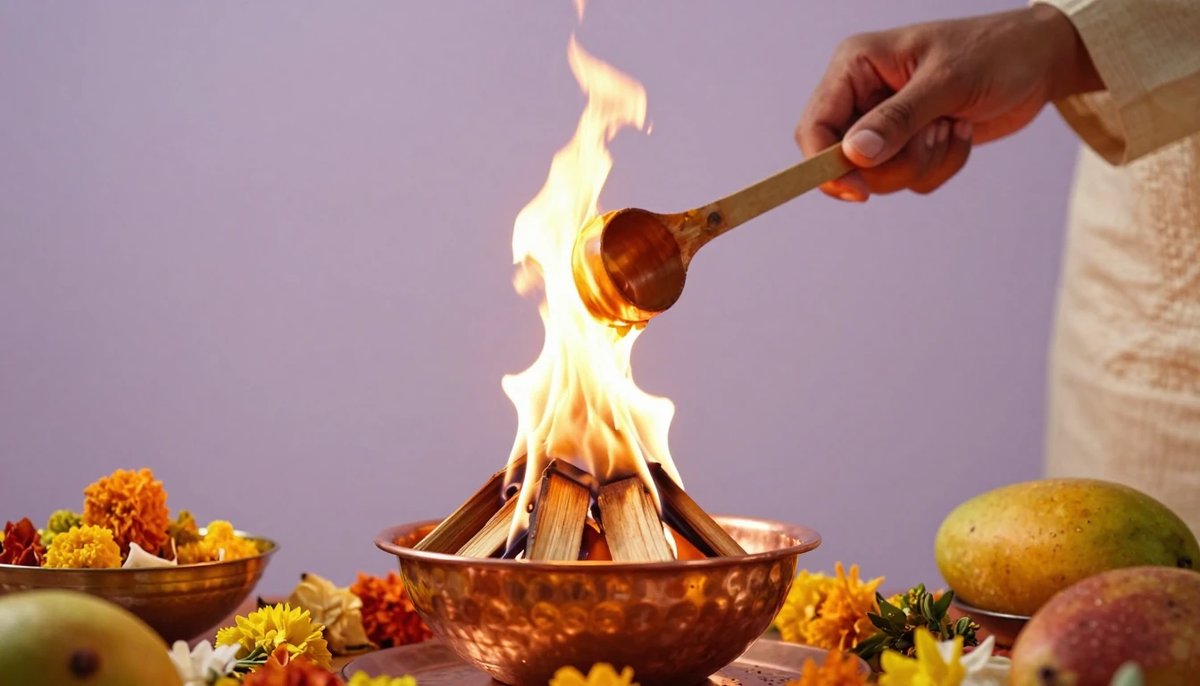
Havan Muhurat
A havan is done with devotion and a clear purpose. You want that purpose fulfilled, and peace and blessings for the home. You want all the effort to count. The classical texts on muhurta shastra time a havan from the moment the fire is lit. We work out that moment for the city where the havan is held. After the fire is lit, the ritual follows its own order. What you get: Auspicious windows to light the havan fire for your city, each with a date and a start and end time. The top 3 most auspicious ones highlighted. The days to avoid tagged along with the reasons. And, the classical text reference behind each recommendation. What we need: the birth date, time and place of each yajamana (host), the purpose of the havan, and the city.
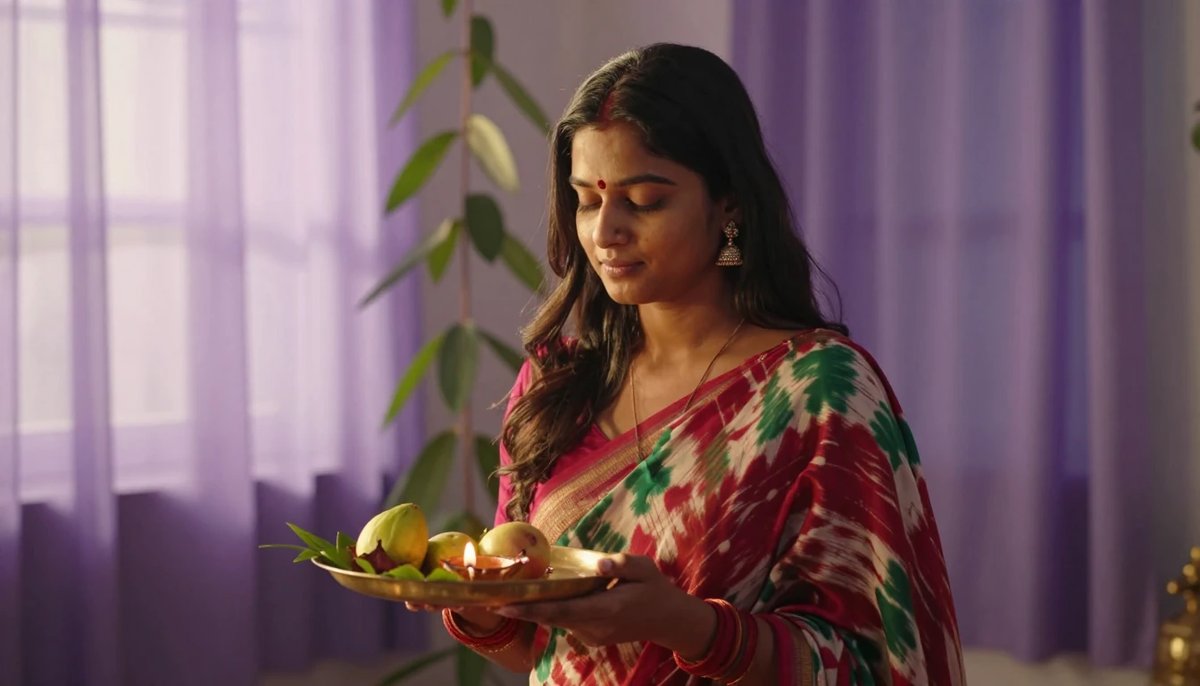
Vrat: Starting a Vow
A vrat starts with faith and a personal wish. You want to keep it to the end, and you want the wish behind it fulfilled. The determination is yours. The classical texts on muhurta shastra tie each vrat to its own days, so the first day matters. We work out that first day for the city where you keep the vrat. The report also counts forward and gives you the day it completes. What you get: Auspicious windows to start the vrat for your city, with dates and times. The completion date for the start you choose. The top 3 most auspicious ones highlighted. The days to avoid tagged along with the reasons. And, the classical text reference behind each recommendation. What we need: your birth date, time and place, the vrat, and the city where you keep it.
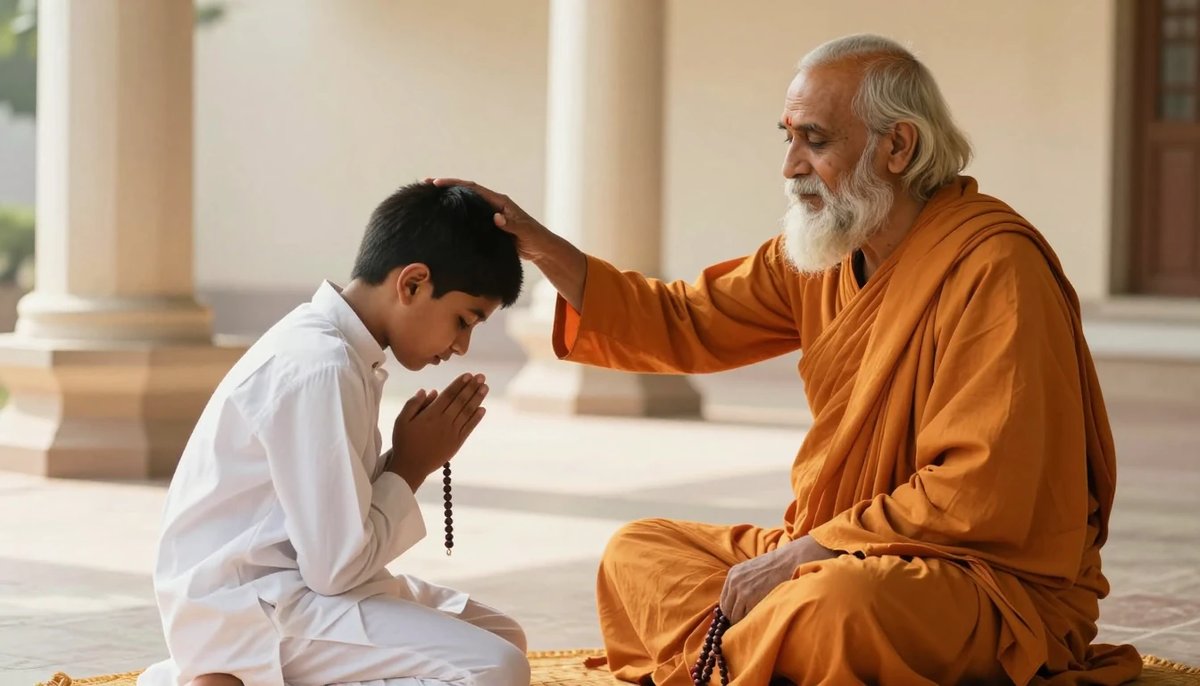
Guru Diksha Muhurat
Taking diksha is a serious, once-in-a-life step. You want a strong start on the spiritual path with your guru. You want the beginning to match the weight of the promise. The classical texts on muhurta shastra read this rite against the disciple's own chart, not just the day. We do the same, for the place where the diksha is given and received. What you get: Auspicious windows for the diksha, for the place it is given, each with a date and a start and end time. The top 3 most auspicious ones highlighted. The stretches to avoid tagged along with the reasons. And, the classical text reference behind each recommendation. What we need: the disciple's birth date, time and place, and where the diksha is given and received.
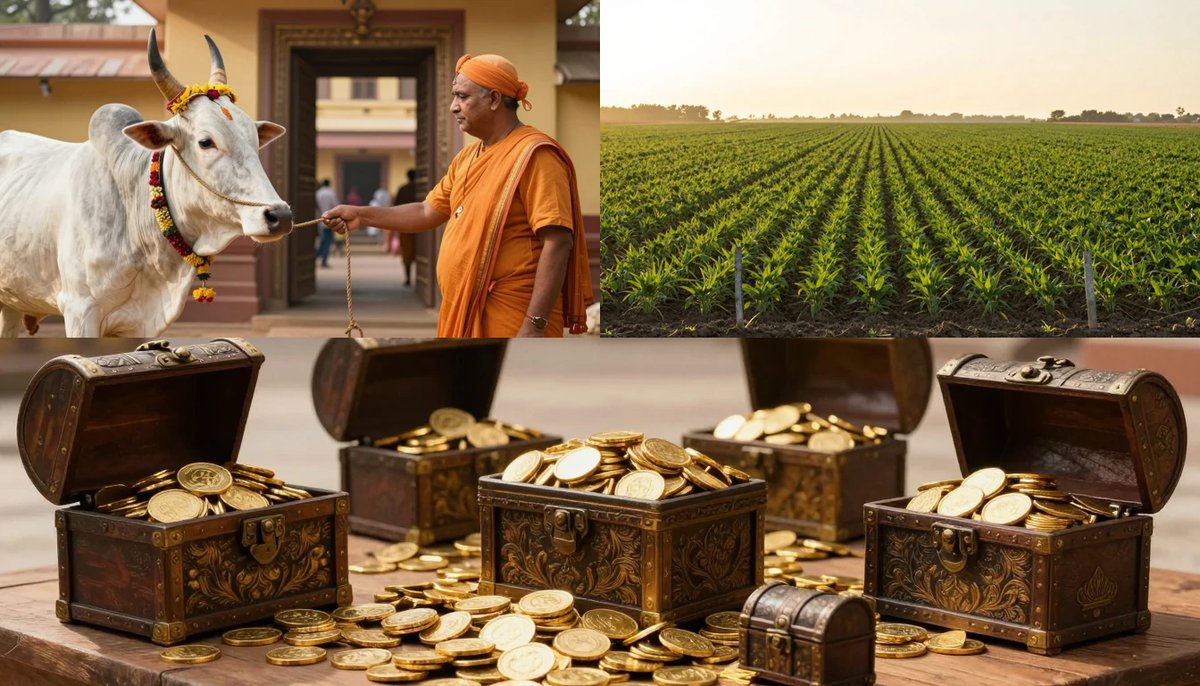
Mahadaan: Major Donation
A major donation often comes from gratitude. It may honour your parents or your ancestors. You want the gift to earn its full punya. The classical texts on muhurta shastra fix the moment a gift leaves your hands. Some days count for more; an eclipse is a time for giving, not one to avoid. We work these out for the city you give from. This only times a donation you make yourself. It is different from our daan products, where we arrange the offering at a temple for you. What you get: Auspicious windows for the act of giving, for the city you give from, with dates and times. The top 3 most auspicious ones highlighted. A note on anything to avoid for your kind of daan, with the reasons. And, the classical text reference behind each recommendation. What we need: the birth date, time and place of each donor, the kind of daan, and the city you give from.
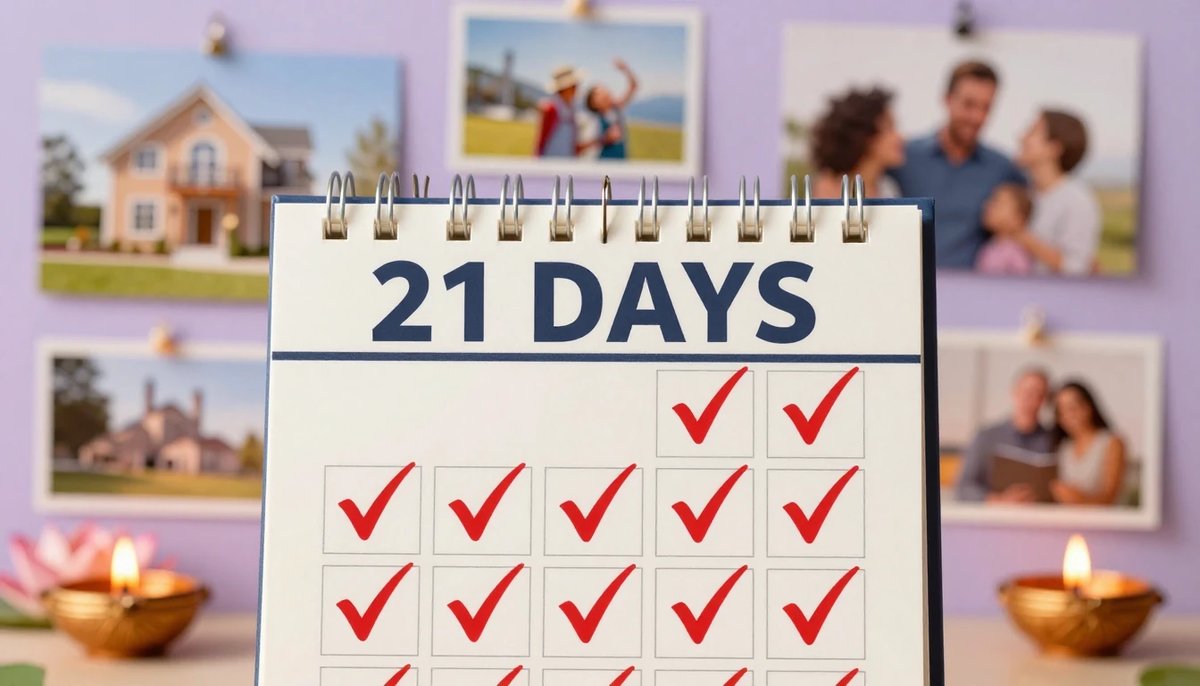
21 Days of Manifestation
You have a personal wish, and you are ready to work on it every day for 21 days. You want every one of those days to count. Above all, you want your resolve to hold to the end. We time its first day the way the classical texts on muhurta shastra time the start of a vow. A good first day gives the resolve a steady beginning. We work it out for your city. We cannot promise the wish comes true; we time the beginning. What you get: Auspicious windows to begin your 21 days, for your city. The top 3 most auspicious ones highlighted. The start day and the day your 21 days complete. The days to avoid tagged along with the reasons. And, the classical text reference behind each recommendation. What we need: your birth date, time and place, your city, and when you want to begin.
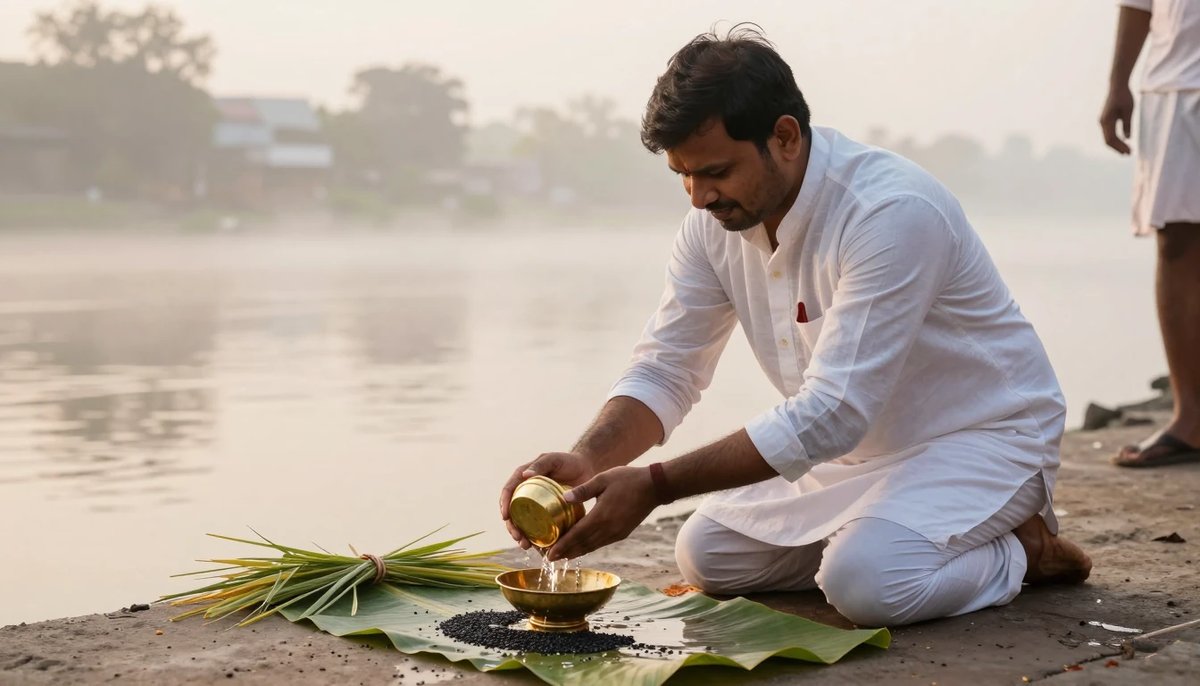
Mahalaya Shraddha / Parvana Shraddha: Rites for Your Ancestors
Your ancestors gave you your name, your home and your place in the world. The Mahalaya (Parvana) shraddha of Pitru Paksha is the rite by which a household remembers them and offers its gratitude. This guide tells you when to perform the shraddha, the time of day the classical texts on muhurta shastra hold best for it, and how to carry out the rite, step by step. What you get: The days on which to offer the shraddha, the auspicious window within the day for it, and clear guidance on how to perform the rite. What we need: the date, time and place of your ancestor's death.