Diksha muhurat: auspicious dates for guru initiation
Diksha (Initiation)
Diksha, in everyday speech simply initiation or mantra diksha, is the moment a guru gives a disciple a mantra and formally accepts them onto a path. It marks a beginning that is meant to last a lifetime, which is why a shubh muhurat is sought for it rather than the first free date in the ashram diary. Tarini gives you ranked dated, timed windows for दीक्षा मुहूर्त, judged against your own birth chart and the running dasha rather than a generic calendar, together with the tithis, karanas and hours to avoid, so you can propose workable dates to your guru instead of asking for one.
About this muhurat
Receiving initiation from a guru, timed against your own chart rather than the ashram's diary.
Diksha is the transmission of a mantra from teacher to student, usually preceded by a sankalpa, a small puja and sometimes a havan, and followed by instruction on the practice to be kept. Seekers take it when a guru has accepted them, often on a day that is significant to the lineage, at the start of a retreat, or before a period of intensive sadhana. The rite itself is short, but the day around it is kept quiet, light and free of other business.
What you receive
- Ranked, dated and timed initiation windows within the period you choose
- Judged against the relevant birth chart, not a generic panchang
- Days and windows to avoid, marked clearly
Diksha muhurat: your questions
More religious muhurats
Deva Pratishtha (Idol Installation)
Consecrating an idol or a shrine, at home or in a temple. The most demanding of the installation muhurats, and the one where the date is least negotiable once it is fixed.
Graha Shanti (Planetary Remedies)
When a planetary period is weighing on you, the remedy has its own timing. You get the window in which it should be performed — we will not tell you what to fear, only when to act.
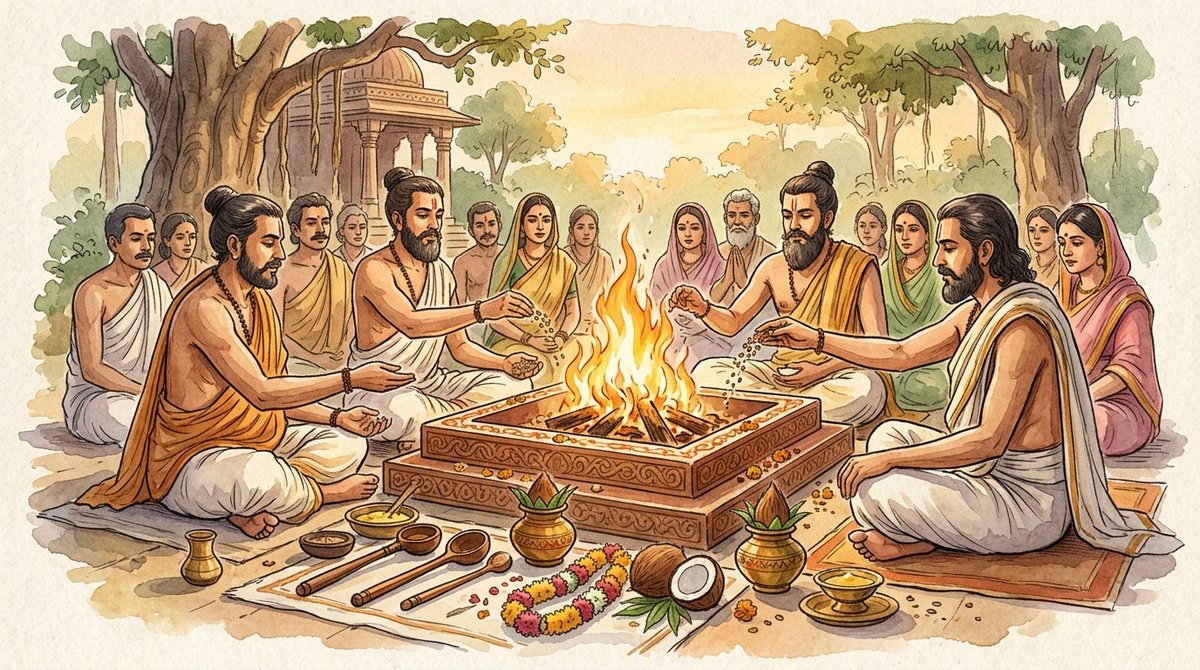
Homa (Havan)
A havan at home or at the temple. You get the dated windows and the hours to avoid.